Loading...
Serving Napa, CA and surrounding areas. (707) 254-6413
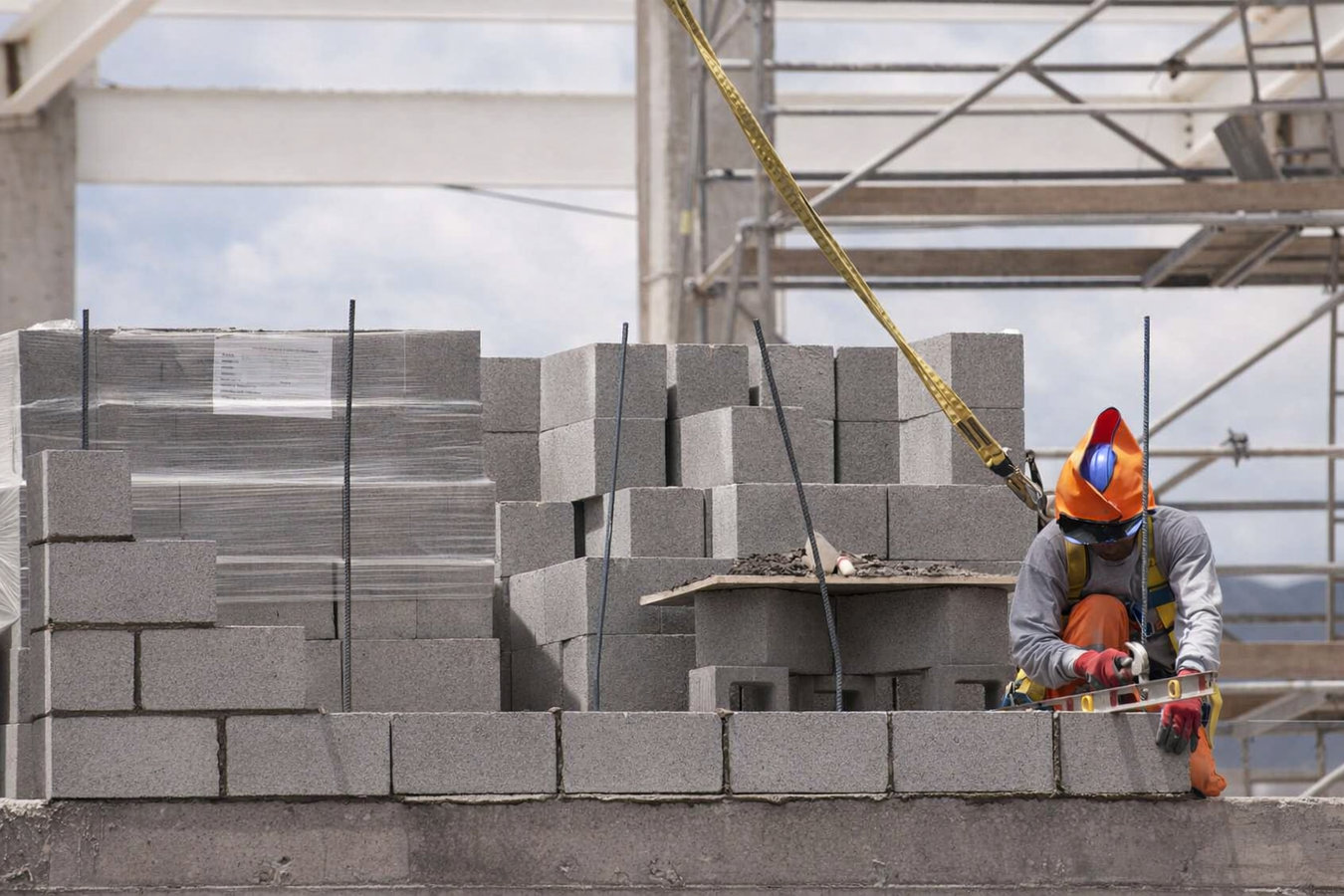
Napa clay soils shift every season and the ground moves in earthquakes. Your foundation block wall needs steel reinforcement, proper drainage, and a permit - not a shortcut.
Foundation block wall installation in Napa, CA uses individual concrete masonry units stacked and mortared together to form the base that supports your home, most residential projects run three to seven working days once materials are on-site and the permit is in hand.
Unlike a poured concrete foundation, a block wall is assembled piece by piece - which means a skilled mason can work around tight access points, sloped lots, and the irregular shapes common on so many Napa properties. Whether you are dealing with a crawl space perimeter that has seen better days, a hillside that needs structural support, or a pre-1970 foundation that was never reinforced for seismic movement, the approach is the same: build it right for the conditions here, not for somewhere else.
If cracking in your foundation wall started after a wet winter or a seismic event, our foundation repair service can assess whether targeted repairs will hold or whether a full block wall replacement is the right call.
Diagonal cracks, especially ones wider at one end than the other, are a sign that part of your foundation has shifted or settled unevenly. In Napa, this pattern often appears after a wet winter followed by a dry summer, when clay soil beneath the footing expands and contracts. A crack you can fit a quarter into is worth a professional assessment right away.
When a foundation moves, the frame of your house moves with it - and the first place you usually notice is doors and windows that used to open and close smoothly. If this change started after a heavy rain event or after the 2014 earthquake, it is worth having a mason assess your foundation rather than assuming the house is just settling.
Stand in your crawl space and look at where the top of the foundation wall meets the wooden framing. There should be no daylight and no gaps. Even a small separation can let in moisture and pests - and it signals the wall has moved enough to pull away from the structure it is supposed to support.
Chalky white residue on older block walls - called efflorescence - is mineral salt left behind when water moves through the block. It signals water is getting into your foundation wall regularly. A wall that curves outward in the middle rather than running straight is under pressure it was not designed to handle and should be evaluated by a licensed mason promptly.
We install new foundation block walls and rebuild walls that have cracked, shifted, or failed. Every project begins with a free on-site visit - no honest contractor can give you an accurate number without seeing the existing foundation, the soil conditions, and the access. We handle permit applications through the City of Napa Building Division or Napa County and schedule every required inspection through final sign-off.
For properties where the foundation work is part of a larger scope, we regularly combine block wall installation with outdoor kitchen masonry or coordinate closely with our foundation repair work when the existing structure has partial damage that can be corrected without a full rebuild. That coordination reduces mobilization costs and keeps your project on a single timeline.
Suits homeowners replacing a failed or undersized original foundation on an older Napa home, with full seismic reinforcement and waterproofing included throughout.
The right choice for sloped lots where the foundation must handle both soil pressure from uphill and the lateral loads that seismic events generate.
For homes where the existing block or brick foundation has deteriorated beyond repair - full demolition, new footings, new reinforced block wall, waterproofing, and drainage from the ground up.
Best for homeowners adding a membrane coating and perforated drain pipe to an existing or new wall to protect against Napa wet winters and clay soil moisture pressure.
Napa sits in one of the most seismically active parts of California. The 2014 South Napa earthquake caused widespread foundation damage across the city, and geologists consider the area at ongoing risk for significant ground movement. Any foundation block wall built here must include steel reinforcement running through the hollow cores of the blocks - filled with concrete - and must be designed to handle the lateral forces an earthquake creates, not just the vertical weight of the structure above. The California Seismic Safety Commission documents the ongoing risk in this region and why seismic-aware construction is not optional. Homeowners in American Canyon face the same fault-zone conditions and need the same reinforcement approach for any new foundation work.
Napa Valley also sits on clay-rich soils that swell when wet and shrink when dry - a seasonal cycle that puts constant stress on foundations. Proper footing depth, drainage behind the wall, and a waterproofing membrane on the exterior face are not extras here; they are the difference between a foundation that lasts 50 years and one that begins cracking within a few. Many homes in established Napa neighborhoods, particularly those built before 1970, have original foundations never designed to current seismic or drainage standards. The Concrete Masonry Association of California and Nevada provides regional standards that reflect exactly these conditions. Homeowners in Yountville with older housing stock face the same pre-seismic-code foundation challenges common throughout the valley.
We reply within one business day. We will ask a few questions about the existing foundation and your goals, then schedule a free on-site visit. A written estimate follows within a few days and lists everything included - labor, materials, permit fee, waterproofing, and drainage - with no hidden line items.
Once you accept the estimate, we submit the permit application to the correct jurisdiction. Work cannot legally begin until that permit is issued. Residential permit review in Napa typically takes one to three weeks for straightforward projects. We keep you updated throughout so you always know where things stand.
Before the first block is set, the crew handles excavation and pours the footings - the concrete base the wall sits on. We work around any irrigation lines, hardscaping, or landscaping you point out during the site visit. Footings must cure before block-laying begins, typically 24 to 48 hours.
Blocks are laid in courses with mortar and steel reinforcement placed in the cores, then filled with concrete. Once the wall cures, waterproofing goes on the exterior face and drainage is installed before any soil is backfilled. A city or county inspector visits for the final inspection - passed paperwork is yours to keep for when you sell.
No commitment required. We will come to your property, assess the site conditions, and give you a written quote covering everything - permit fee, waterproofing, and drainage included.
(707) 254-6413Every foundation block wall we build includes steel rebar through the hollow cores, filled with concrete, at the intervals required for Napa seismic conditions. This is not an upsell - it is how every wall leaves our crew. The California Seismic Safety Commission defines the risk level this region carries, and we build to it every time.
We handle the permit application through the correct jurisdiction - City of Napa Building Division or Napa County - and do not break ground until it is issued and posted. That permit means an inspector reviews the work at key stages, giving you independent confirmation the foundation was built to current code, and it protects your home value at resale.
Napa receives the bulk of its annual rainfall between November and March - heavy, concentrated storms that saturate clay soil fast. We include a waterproofing membrane on the exterior face of every wall plus a perforated drain pipe at footing level. That combination is what keeps moisture from building up behind your wall and cracking it from the outside in.
You receive a line-item written estimate covering labor, materials, permit fees, waterproofing, and drainage before you commit to anything. If conditions on-site reveal something unexpected - which does happen on older Napa properties - you hear about it and approve any change before work continues. No surprise invoices after the fact.
Foundation work is one of the few things on a home where doing it right the first time is always cheaper than correcting it later. Our approach - permit first, reinforce for seismic, build in drainage, document everything - reflects the specific conditions Napa properties face, not a generic checklist from somewhere with flat, stable ground.
Permanent masonry outdoor kitchens built on reinforced concrete slabs sized for Napa clay soils and year-round entertaining.
Learn MoreTargeted repairs for cracked, shifted, or water-damaged foundation walls that do not yet require a full replacement.
Learn MorePermit slots fill up fast heading into spring - reach out now to lock in your start date before the rainy season arrives and scheduling gets tight.